Petaddon
Guides and gear for exotic and small pets


This list of exotic pets covers 12 animals people most often ask about, sorted by how easy they are to own legally in the US. Six need no state license in most states. Monkeys and small wild cats need a permit or are banned in most states. Otters, bats, wombats and big cats are close to impossible to own legally anywhere.
Every legal count on this page comes from our exotic pet law checker, which tracks each animal in all 50 states and D.C. with a source for every state. Click any animal’s checker link to see the rule where you live.
| Exotic pet | Type | Legal status in the US |
|---|---|---|
| Chinchilla | Rodent | No state license in 49 states and D.C. |
| Bearded dragon | Lizard | No state license in 49 states and D.C. |
| Ferret | Mammal | No state license in 48 states |
| Sugar glider | Marsupial | No state license in 45 states |
| Axolotl | Amphibian | No state license in 45 states |
| African pygmy hedgehog | Insectivore | No state license in 43 states |
| Monkeys, including marmosets | Primate | Banned in 16 states, permit in 16 |
| Servals, caracals, bobcats, lynx | Wild cat | Banned in 17 states, permit in 15 |
| Otter | Mammal | Very few legal sources anywhere |
| Bat | Mammal | No legal route to a pet bat |
| Wombat | Marsupial | Not available in the US |
| Lions, tigers and other big cats | Wild cat | Banned nationwide since 2022 |
Contents
show
Exotic pets you can own in most states
These six need no state permit or license in most of the country. Our guide to exotic pets you can own without a license lists every state that bans or permits each one.
1. Chinchilla
A South American rodent with extremely dense fur. Chinchillas need a cool room, dust baths in place of water baths, and space to jump. Only Hawaii requires a permit, for import. Read our chinchilla lifespan guide or check your state.
2. Bearded dragon
An Australian lizard bred in captivity in many colors. Bearded dragons need a heated enclosure with UVB lighting. Hawaii is the only state that bans them. See the types of bearded dragons or check your state.
3. Ferret
A domesticated relative of the polecat, playful and active for hours each day. California and Hawaii ban ferrets, and New York City bans them inside city limits. Check your state.
4. Sugar glider
A small marsupial that glides between trees on flaps of skin. Sugar gliders are social and usually kept in pairs. Alaska, California and Hawaii ban them. Check your state.
5. Axolotl
A Mexican salamander that keeps its feathery gills for life and never leaves the water. Axolotls need a cool, filtered tank. California and New Jersey ban them, and a few states require permits. See our axolotl tank setup guide or check your state.
6. African pygmy hedgehog
A small, nocturnal insectivore that rolls into a spiny ball when nervous. California, Georgia, Hawaii and D.C. ban hedgehogs, and four more states require permits or limit imports. Read whether hedgehogs make good pets or check your state.
Exotic pets that need a permit in most states
7. Monkeys, including marmosets
Pygmy marmosets, often sold as finger monkeys, are the smallest monkeys. They live for years, need constant company and often bite as adults. Sixteen states ban pet monkeys and 16 more require a permit. Many cities ban them even where the state doesn’t. Read our finger monkey guide or check your state.
8. Servals, caracals, bobcats and lynx
Small wild cats fall outside the federal big cat ban, so each state sets its own rules. Seventeen states ban them as pets and 15 require a permit. Only a few, including Nevada, Wisconsin and South Carolina, have no state permit. Native bobcats and lynx are also protected wildlife. Check your state.
Exotic animals you almost can’t own
9. Otter
Native river otters are protected furbearers, and the Asian small-clawed otter seen in viral videos has had the highest level of international trade protection since 2019. Few pet otters can be obtained legally. See can you have an otter as a pet.
10. Bat
Native bats are protected wildlife, and the CDC does not issue permits to import bats as pets. Five states also name bats in their own bans. See bats in every state.
11. Wombat
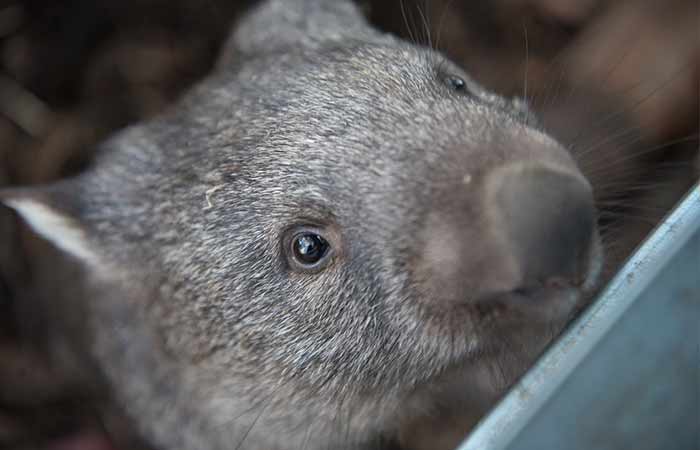
Wombats are protected in Australia, which doesn’t allow them to be exported as pets, so there is no legal source in the US. See can you have a wombat as a pet.
12. Lions, tigers and other big cats
The federal Big Cat Public Safety Act has banned private ownership of lions, tigers, leopards, jaguars, cheetahs, cougars and their hybrids since December 20, 2022. Only owners who registered existing cats by June 18, 2023 may keep them, and they can’t breed or replace them. See big cats in every state.
More exotic pets in Florida
Florida allows a wider range of exotic pets than most states. Raccoons, skunks, foxes, kinkajous, coatimundis, lemurs and wallabies are Class III wildlife there, which needs a free permit. Servals, bobcats, alligators, ostriches and even giraffes are Class II, with a $140 yearly permit and strict experience rules. For hyenas, hippos, kangaroos and moose, see which states allow unusual exotic animals. See our full guide to Florida exotic pet laws.
How to choose an exotic pet
- Start with the law. Check your state, then your city or county, then your lease.
- Find a vet before you buy. Many vets don’t treat exotic species.
- Buy from a captive breeder. Wild-caught animals can carry disease, and selling them is often illegal.
- Price the setup first. The enclosure, lighting and diet often cost more than the animal.
Laws change, so confirm with your state wildlife or agriculture agency before you buy. This page summarizes published sources and is not legal advice. Last checked October 22, 2026.