Petaddon
Guides and gear for exotic and small pets


The pygmy marmoset is the smallest species of the Callitrichidae family. Also referred to as the pocket monkey, little lion, or Cebuella pygmaea they have been around for centuries native to South America, precisely the Amazon basin. However, they can also be found in Brazil, Ecuador, Peru, and Colombia.
Pygmy marmosets live about 12 years on average, according to the Wisconsin National Primate Research Center. Well-cared-for zoo animals can live longer than wild ones, but pet marmosets often live shorter lives because of poor diet, isolation and human diseases.
Contents
show
How Long Does It Live?
The pocket monkey’s lifespan is highly dependent on its living conditions, that is;
- In the wild
- In captivity
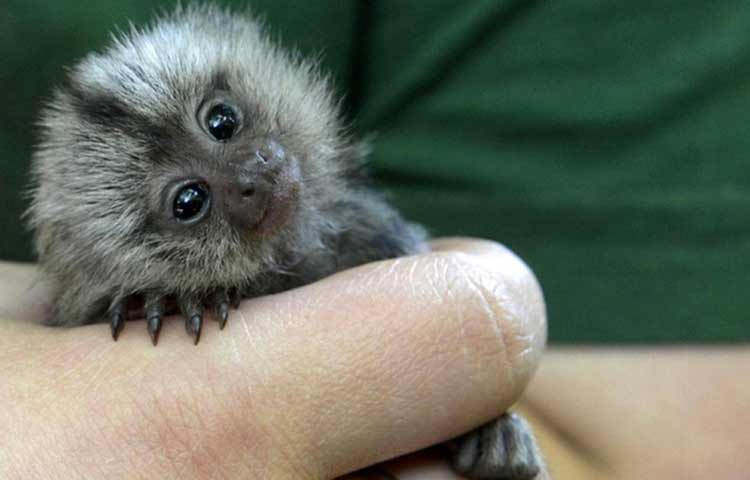
In the Wild
In the wild, pygmy marmosets face predators including birds of prey, small wild cats and climbing snakes. Living in family groups of two to nine helps them spot danger early.
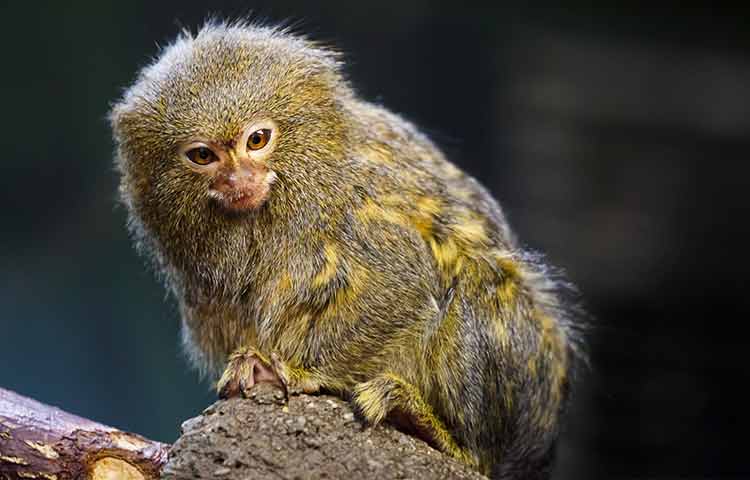
In Captivity
With expert zoo care, they can live beyond the 12-year average. Pets often do worse: a marmoset kept alone, fed the wrong diet or exposed to human illness rarely reaches that age.
Further Reading…
What Factors Will determine the Life Span
Several factors play a hand as to how long or short the little lion’s life can last. Here are some of those factors.
1. Diet
Food, water, and internal body’s well being is the most vital factor that can affect the lives of the pocket monkey. Without adequate food or a diet without the essential minerals, vitamins, and supplements, their health will easily deteriorate. Therefore, the right diet is essential to keeping the pet in tip-top share.
In the wild, pygmy marmosets spend 60 to 80% of their feeding time on tree gum and sap and much of the rest on insects (WNPRC). In captivity, that means a commercial marmoset diet, gum arabic and live insects, with limited fruit.
Give fresh water every day and skip milk, juice and processed human food. Infants should stay with their family group: hand-rearing a baby marmoset away from its parents causes lasting behavior problems.
2. Living Environment
A little lion’s environment has to emulate that of the wild. A large enough cage to offer space for jumping, climbing, physical activities, and just active sports.
Branches from evergreen forest trees, leaves, and swings to keep the monkey occupied during the day. If you have more than one monkey, additional space for them to play.
What’s more, you may also need to introduce toys, so the monkey isn’t bored. New World monkeys need vitamin D3, so they need UVB lighting or regular access to unfiltered sunlight.
If you don’t have, a source of heat is important as they are easily affected and infected by the flu. Poor health shortens their lives.
Lastly, cleanliness. As they tend to play most parts of the day, they will be wrecking of sweat and even discharge like pee, which has a very strong and pungent scent. You’ll constantly need to clean up the area so the pet feels safe and comfortable.
3. Physical Adaptability
The monkey is a very active animal, especially during its young age. They long to climb, hang around, jump, and just live an active life. If you don’t want the pet to be lethargic, you have to offer it a physically adaptable environment and schedule.
They need plenty of playtimes to keep them active, a favorable diet to keep them strong, rest time at night to rejuvenate as they behave similarly to just about any mammal.
They also need cuddling and affection from its owner to give it a sense of belonging. All these e elements allow the pet space and a pleasurable environment for growth.
Physical adaptability also means security. In the wild, the monkey is under threat, if it’s not predators, its lack of food, knowing other issues. Offering the pet a safe environment where they can easily breed and nurture their young ones can really elongate their lifespan.
4. Health Care
Pocket monkeys are the smallest monkeys in the world. They are also just as vulnerable to health concerns such as diseases. They can catch human illnesses, including the cold sore virus (herpes simplex), which is often fatal to marmosets, as well as measles and tuberculosis.
Veterinarian checkups are an essential factor as its very easy for the pet to succumb to illness even before you realize it was unwell. Therefore, medical factors have to be keenly considered.
This is why before a finger monkey is given to you, proper documentation is required. A license to own that certifies you are within reach of a qualified vet.
5. Other Factors
Besides the usual food and health matters, pocket monkeys can thrive with a social and environmental space. What this means is, according to their way of life, they have a rather detailed life cycle. They have their roles to play as an infant, sibling, mother, ad father.
If they are able to maintain this social structure that allows them to breed and nurture their young ones. They developed their social cues, communication skills, environmental adaptability, and just the company of another finger monkey; this can tremendously affect its lifespan.
This is why some pages assume that the lifespan in the wild may offer the pocket monkey a longer lifespan than the former as they have the freedom to associate, mate, reproduce, and simply associate with other new world monkeys.
Summing it all up, the most essential factors that affect their lifespan is food and diet, habitat and living conditions, and healthcare. Anything else you do is simply a question to offer comfort and security with a pet, which in turn could positively affect its life.