Petaddon
Guides and gear for exotic and small pets


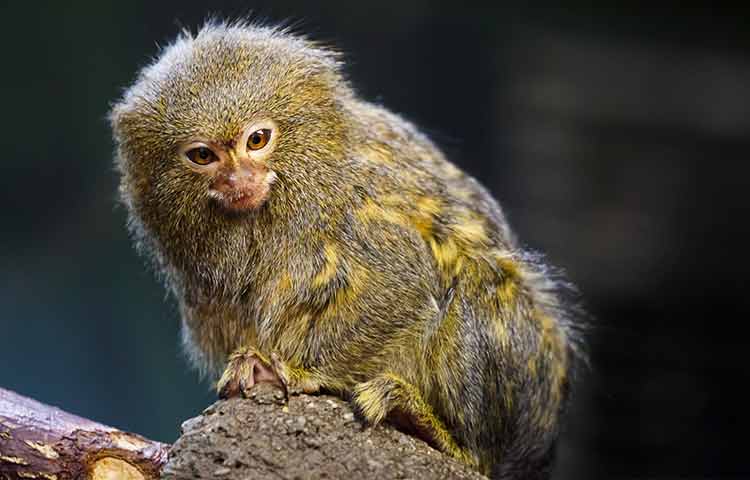
Pocket monkeys (pygmy marmosets) are wild primates, not domesticated animals, and owning one is banned or permit-only in many US states. Where it is legal, the costs leave a considerable dent in your bank account. Right from the process of acquiring the three-ounce little lion, to the purchase, additional costs, and permits; they all add up to an insurmountable value.
The average cost of a single baby finger monkey ranges between $1500 to $4000. Besides that, you’ll have extra expenses on food items, habitat needs, medical cover, and special permits and licenses to allow you to even own the pet.
If you’re looking to adopt or buy a pygmy marmoset, following is all the vital information you’ll need.
Contents
show
Cost
Total cost, in this case, means the cost of purchase for the pet, a habitat, food, plenty of toys to keep the pet occupied, medical cover, plus other unforeseen costs. Here’s a rough estimate of this;
Purchase – $1500 to $4000
Food – $700
Habitat – $2000
Medical cover – $200
In total, you will spend an average of $6000 (on the lower side).
What Will Determine the Cost
The cost is highly dependent on a number of factors including your location, the state legislature, plus many more factors.
Area of Purchase
You can buy a finger monkey from several places, as you shall read from below. Their prices will definitely vary based on their availability among other variables. What would only cost $2600 at a pet store could easily cost $4000 from a breeder.
Food and Habitat
The pet requires a cage where it can rest up, play, and hang around when it’s not with you. Occasionally, the cost of a cage will range between $150 to $400. However, certain factors can play a hand in this.
For example, the cage could have additional features added during its constructions, more complexity, and different sizing. Henceforth, the price is not standard.
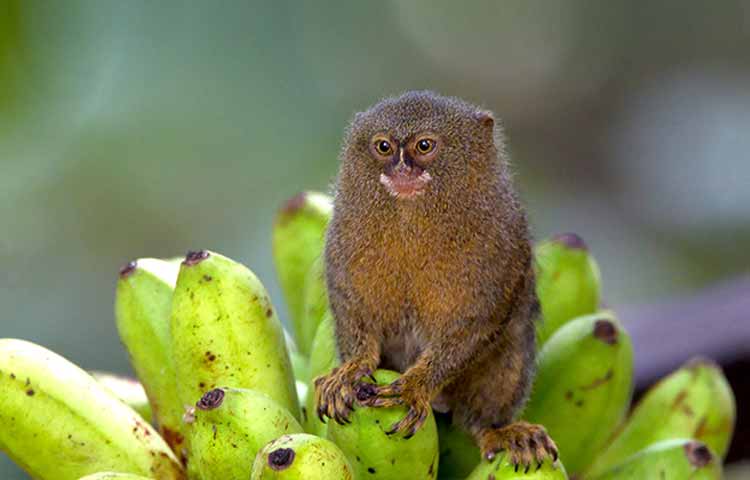
Finger monkeys need a specialized diet: commercial marmoset food, gum arabic to replace the tree gum they eat in the wild, live insects and some fresh produce.
Store-bought pet foods like nectars/ sap, miniature reptiles, locusts, and insects are even more costly too as high as $75 a pack.
Choosing to get live insects from the pet store means additional expenses just to keep the pet adequately fed.
Further Reading…
Additional Costs
Several other items add to the total cost of owning the little lion. These factors include;
- Toys – these primates can play with just about anything but they get easily bored making it quite essential to purchase human toys.
- Branches and leaves – by now should know to keep the pygmy as comfortable as you’d like, you have to emulate the rain forest. Wood perches cost an extra $15 to $30 apiece.
- Leash – similar to other pets like dogs and cats, you can opt for a leash that retails at $10.
What to Consider Before Buying
Purchasing your finger monkey is a huge responsibility. Furthermore, it will be taking up your time and money to ensure the pet lives and thrives as long as it can. Therefore, before you take the bold step, here are a few factors you should consider.
Space and Living Requirements
This point can’t be emphasized enough. Pocket monkeys are very meticulous creatures that prefer living in a surrounding that’s more shabby than homey. Yes, it’s your house but they also need the rain forest to feel where you add a few branches and leaves here and there.
They love to jump around, climb, and swing; hence, their cage spacing has to be large enough to accommodate that. Obviously, this also means you need space to accommodate such requirements.
While the cage costs you an average of $250, the branches and perches for customizing the space will expense you and an additional $20 a piece.
Diet and Feeding Habits
The pygmy marmoset enjoys wholesome meals. Some would even go further to claim a balanced diet. Naturally, they are gumivores; meaning they feed off gum, sap, and other exudates from trees. However, what they gain from the exudates is a whole lot of essential minerals like calcium.
Therefore, they have to be feed equal amounts of these vital minerals and vitamins to keep them healthy. In addition, they are also insectivores. You would see them feeding on tiny insects like moths and ants, miniature lizards/ reptiles, butterflies, and the likes.
Since you won’t be going out to forage for your pet, the best thing is to buy them live insects from the pet store. A 250gram bag will cost anywhere between $60 to $75. Not only is it another cost to bear, but also another hustle to actually look for stores to sell you. Worse off, you may need to order online.
In captivity, marmosets are usually fed a commercial New World primate or marmoset diet, gum arabic, live insects and small amounts of fruit and vegetables, with fresh water every day. An exotics vet can help you get the balance right.
Additional Expenses
As if the costs above aren’t enough, you have to think about the additional costs of taking the pocket monkey to a licensed and certified veterinarian who can do checkups on your pet. You may need to get a medical insurance policy to safeguard its health.
Pet Breed
There are two pygmy marmoset subspecies that people often love to buy or adopt. From the two, there are breeders who would ask for greater compensation in terms of payment that the actual cost of the pet would be. This is because they nurtured the monkey plus are willing to offer shipping and handling advice. This would then mean more costs for you.
Legal Issues
You already know finger monkeys are exotic choices for a pet. Therefore some states may not support having them as pets your home They are wild animals, and conservation groups argue they belong in the wild.
Therefore before buying, get acquainted with whether your state allows for import and export of the pet and if there are laws against it. More on this in the next section.
Another legal issue is on getting special permits to own the pet. These permits have to be authenticated to ensure that in fact you can comfortable own the pet primate and that you have access to all its needs including proximity to a knowledgeable veterinarian.
Legalities
There is no federal law banning pet primates in the US, so the rules are set state by state and sometimes city by city (Open Access Government). Some states ban private ownership of all primates, others require permits, and a few have few restrictions.
Pygmy marmoset (finger monkey) and other monkeys: state laws at a glance
There is no federal ban on pet primates, and state laws change often. Even where state law allows them, many cities and counties ban monkeys.
Banned as a pet California, Colorado, Georgia, Hawaii, Iowa, Kentucky, Louisiana, Maryland, Minnesota, Montana, New Jersey, Ohio, Oregon, Pennsylvania, Utah, Washington
Permit or license required Alaska, Arizona, Delaware, Florida, Idaho, Indiana, Maine, Massachusetts, Mississippi, Nebraska, New Hampshire, New York, Oklahoma, Rhode Island, South Dakota, Vermont
Restricted Arkansas, Missouri
Because these laws change and local rules can be stricter than state law, check with your state wildlife or agriculture agency before you buy, and be wary of any seller who promises it is legal where you live.
Where to Buy
As people embrace exotic choices when it comes to pets, buying them is now easier. As for the finger monkey, there are three viable options you can choose to buy from. They are;
- Pet store
- Finger monkey breeder
- Animal rescue center
Local Pet Store
Your first stop should be at the pet store; the one-stop-shop for all your pet needs. Especially for major cities and towns, their local pet stores offer the best services for sale and advice you may need for your pet. Furthermore, the store can also inform you of any legal issues there may be about owning or shipping for a pocket monkey.
The price of the pet will vary since different stores source for their pets differently. Importing primates into the US as pets has been banned since 1975, so legitimate animals come from captive breeders, which keeps prices high. The average retail price will be between $1500 to $4000.
Local and Online Breeders of Finger Monkeys
There are several online breeders who have the license to sell and breed pocket monkeys. They are knowledgeable individuals who can educate you on all you need to know about this pet. With their experience in this field, they are the perfect people to approach if you’re looking to buy.
Depending on where you live transacting guidelines or buying processes will be different.
Legitimate online sellers have great customer service which includes inclusive package deals with legal documents, health certificates, cages (though small), and notes on the care and well being of the pet. Just ensure you purchase from a trusted source.
Be wary of online scammers and peddlers who want to make a fool out of you.
Animal Rescue Centre
Primate sanctuaries take in marmosets that were bought as pets and could not be cared for. Reputable sanctuaries rarely adopt them out as pets, and welfare groups advise against buying one in the first place.
Supporting Marmosets Instead
If you want to help pygmy marmosets, consider supporting an accredited sanctuary or zoo program instead of buying or adopting one.